Your source for fruit and vegetable news
Latest News Blogs/Links Features Classifieds Home. Farmers Markets. Market News. Recipe Corner. About Us. Garden Photos. Archives.
Click for Windsor, Virginia Forecast
By Bobbie Whitehead

If you’re new to gardening or growing fruits and vegetables, the first step in joining America’s favorite pastime is to plan your garden before the spring.

To start off, you’ll want to find a location in your back or front yard or another available site.

Many garden experts and extension agents suggest starting with a small plot of land, about 5 feet by 5 feet or 25-square feet.

Garden planning involves a few simple steps such as finding a location, available water and seeds.

Begin now by planning the spring fruit, vegetable garden
In starting small, the gardener has the opportunity to grow a variety of fruits and vegetables as well as learn from mistakes without investing too much time, space or money.
The plot of land you select should provide at least six hours of direct sunlight although a space that offers 8-10 hours of sun is preferable, writes Larry Bass, North Carolina State University extension horticulture specialist in his article, “Home Vegetable Gardening.”

For example, some areas to avoid establishing a garden include in between buildings or fences that can block the sunlight to plants. Also, check the location for tree shade during various times of the day as well.

In addition to checking for the sunlight availability, gardeners also want to assure proper air flow. “Avoid locating the garden in a low spot such as the base of a hill or the foot of a slope bordered by a solid fence,” Bass writes, “These areas are slow to warm in the spring, and frost forms more readily in them because cold air cannot drain away.”

One other important consideration is to determine if the soil has proper drainage. After the first strong rain storm, your garden could end up with an inch or two of water standing above your rows for a few days.

After selecting a location, check your soil for its nutrient availability. Most area extension programs offer soil testing, either free or for a small fee. Testing is important since the success of your garden plants, in part, depends on the richness of the soil in which they feed.

Now you can decide what to plant. What are your favorite fruits and vegetables? “Grow the easiest Crops the first year. Later, as skills develop, add more difficult Crops such as small fruits and perennial vegetables, and add more area to the Garden's size,” suggests Colorado State University Extension at the Planttalk Colorado™ web site.

After deciding what you want to grow, check to see if these fruits and vegetables will grow well in your area. Most seed companies provide this information in their fruit and vegetable descriptions, and their descriptions also indicate whether the varieties you want are resistant to common diseases.

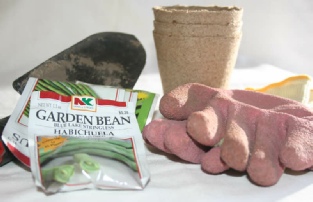
You’ll also want to buy a little extra seed, just in case a late frost or other plant damage occurs. If you’d prefer, you can use transplants, which allow gardeners to begin their growing season slightly later than starting with seeds.

If you don’t have land in your yard or farm to set aside for a vegetable garden, you can also use containers, either on a deck, porch or steps to grow some fruits and vegetables.

You’ll also want to assure a water supply such as an outdoor faucet or well is near your garden. Gardens typically require about one inch of water per week, Bass writes. If your area goes through a drought or dry spell, you’ll want to water your plants to keep them alive and to keep harvests coming.

New and novice gardeners can find many other considerations for planning the spring garden but choosing the proper location is a significant step in preparing to become a grower.
FREE GAME - Text Twist 2
Your Ad Here