Your source for fruit and vegetable news
Copyright © 2008-2010 by thebackyardgrower.com  All rights reserved.  Terms of use | Privacy policy
Home.Farmers Markets.Market News.Recipe Corner.About Us.Garden Photos.Archives.

FEATURES

GARDEN TIPS

BLOG/LINKS

LATEST NEWS

CLASSIFIEDS

Your Ad Here
By Bobbie Whitehead

Looking for a cost-effective way to grow fruits and vegetables? For some gardeners and growers, saving seeds allows them to reduce their planting expenses.

In deciding which seeds to save, extension specialists suggest using seed from some of the best fruits and vegetables in a crop in order to avoid reintroducing diseases from the previous year.

But choose the crop seeds to be saved carefully. Growers should avoid saving the seeds of hybrid fruit and vegetable varieties since the seeds from hybrids don’t produce the same as the parent plants, write extension specialists Diane Relf and Alan McDaniel of Virginia Tech and the Va. Cooperative Extension in their article “Seed for the Garden.”

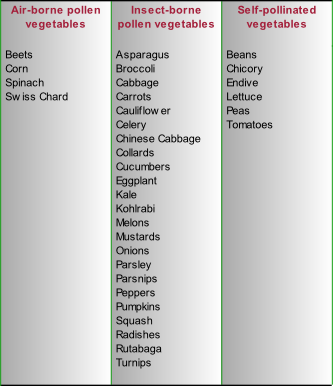
Relf and McDaniel suggest looking for “open-pollinated varieties,” or varieties derived from plants pollinated naturally whether by insects, wind or other natural elements.

By saving seed from the best fruits and vegetables of a crop, growers and gardeners can better assure that their next year’s crops will be strong and healthy. Through open pollination, though, some plants may come in contact with pollen from other varieties; this cross-pollination can cause cross-breeding or fruits and vegetables that have characteristics of two different varieties.

Saving fruit and veggie seeds helps economize the garden

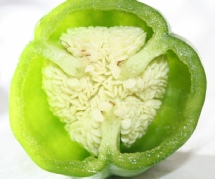
Seeds from a single pepper, if saved, can produce many plants.
Save 10% now.

Use coupon code “Grower10.”

To avoid the cross pollination, “there must be no other varieties within a mile shedding pollen at the same time,” writes Jillanne Burns, North Carolina Cooperative Extension Service assistant agricultural extension agent in the article “Green Thumb Print.” “If there is, some of the harvested seed will result from a cross between these two varieties. The closer the varieties are located, the higher the percentage of crossing.”

Different varieties of a crop that are open-pollinated by insects should have about ¼ a mile between them, Burns writes.

While planting varieties a mile apart may not be feasible for gardeners and small-acreage growers, planting different varieties away from each other is important. Gardeners can try planting some fruits and vegetables in separate gardens.

An alternative to saving seed from open-pollinated crops is choosing self-pollinated fruits and vegetables, or ones where the pollen “is transferred within the same plant,” Burns writes. But Burns cautions that pollen can be transferred from self-pollinated varieties, and to avoid this, she suggests separating different varieties of the same fruit or vegetable by planting other crops in rows between them.

“Saving seed will work,” said Rex Cotten, Suffolk agricultural extension agent with the Virginia Cooperative Extension. “You need to let the seeds air dry and put them in the refrigerator or deep freeze. They will keep well for the coming year.”

To save the seeds, gardeners and growers can remove them from ripened fruit and place them on newspaper or a towel. If the seeds have too much pulp around them, they can be rinsed or soaked in a bowl of water to allow the pulp to loosen. Once the pulp is removed, the seeds can air dry.

After drying, Cotten suggests keeping the seeds in a container, such as a lettuce box, and placing them in the refrigerator or in the deep freeze, he said.

“If you leave the seeds out in the home during the winter, they dry out too much, and some may not germinate as well,” he said.

Source: North Carolina Cooperative Extension Service