Your source for fruit and vegetable news
Latest News Blogs/Links Features Classifieds Home. Farmers Markets. Market News. Recipe Corner. About Us. Garden Photos. Archives.
Click for Windsor, Virginia Forecast

Extension’s 2009 pest management guides are available
By Bobbie Whitehead

Growers, lawn care professionals and home gardeners might want to check out the latest Virginia Cooperative Extension pest management guides.

The 2009 Pest Management Guides, which detail pesticides and organic pest management methods effective in Virginia, are available to the public online for free.

“Nothing significant this year has been phased out,” Dr. Michael Weaver, Virginia Tech Pesticide Programs director and one of the authors of the guides. “We update this every year, and the purpose of the guides is to extend the technology to the public.”

The guides consists of three volumes, Field Crops, Home Grounds and Horticultural & Forest Crops, which are divided into chapters and sections, based on pest and disease management needs.

The guides provide a listing of pest management methods effective in Virginia.
A traditional project that grew out of the early 1900s for land-grant universities, the guides are one of many that state cooperative extension programs provided to educate the public, Weaver said.
The pesticides and organic methods listed in the volumes have been tested by state researchers to determine their effectiveness for pests and diseases common to Virginia and its crops as well as their safety, he said.
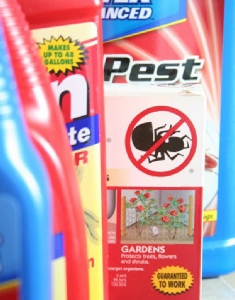
In the next few years, some existing pesticide products will be replaced with newer, more effective ones that will have less impact on the environment.

“There’s a lot of new, low-risk, low-impact products that will replace some of these older products,” Weaver said. “Many of these new products are safer for the public and environment.”

Because Virginia has some unique pests, the guides note and explain which pesticides and organic methods work best for the growers’ needs, he said.

“These tend to be based on tests by our pest management specialists for Virginia,” he said. “The guides keep people updated on the appropriate management methods for pests.”

The chemicals or pesticides listed are based on registrations of products available for particular pest management problems, but the Virginia Cooperative Extension notes in the introduction to guides that the “Commercial products are named in this publication for informational purposes only. Virginia Cooperative Extension does not endorse these products and does not intend discrimination against other products which also may be suitable.”

“By default, there will be a lot of chemicals listed in there,” Weaver said. “But now the guides include organic controls for insects.”

For example, under the Home Grounds and Animals chapter of the Home Grounds volume, growers can find sections for organic controls for insects for home vegetables, home ornamentals, nursery crops and floral crops.

The guides are downloadable as an Adobe Acrobat file via the extension web site, http://pubs.ext.vt.edu/category/pesticide-education.html. The site also provides a link for downloading the Adobe Acrobat Reader program, if a visitor doesn’t have the program on his or her computer, to view the guides. Weaver said most local extension offices will have a printed copy of the guides for growers without Internet access to view.

Growers can also visit the Virginia Tech Pesticide Programs web site, http://www.vtpp.ext.vt.edu/, for the latest information on pesticide programs.
FREE GAME - Text Twist 2
Your Ad Here