Your source for fruit and vegetable news
Latest News Blogs/Links Features Classifieds Home. Farmers Markets. Market News. Recipe Corner. About Us. Garden Photos. Archives.
Click for Windsor, Virginia Forecast
By Bobbie Whitehead

Looking to start a garden? The Home Garden Seed Association says starting from seed saves money and enables even novice gardeners to grow their own food.

Folks new to gardening can have success by planting veggies found among the top 10 easiest plants to grow from seeds, which include beans, cucumbers, lettuce, peas, pumpkins, radishes and squash, says the HGSA.

“All can be sown directly in the garden,” writes the HGSA. “There’s no need to start them indoors.

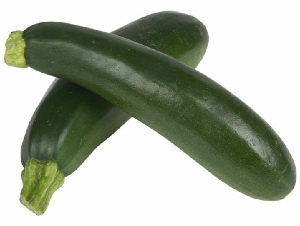
Squash, like the zucchini, is one of the top 10 easiest plants to grow from seed, according to the Home Garden Seed Association.

New gardeners can find easy veggies to grow from seed
“These sure-fire favorites germinate easily and grow quickly.”

The association notes that transplants have their purpose and benefit. Over the past several years, though, the seed industry has seen a 30-75 percent increase in people interested in growing plants from seed, the HGSA reports. In fact, the Home Garden Seed Association gives three tips for starting these vegetables from seed.

First, HGSA says to prepare the soil. Tilling the soil and assuring it’s weed free helps plants grow. To loosen the soil, gardeners can use a motorized or hand tiller or a shovel, and the HGSA suggests loosening soil to a depth of about eight inches. Once loosened, gardeners should add some compost or fertilizer and rake it into the soil. The compost and fertilizer assure the soil contains nutrients necessary for plant needs.

Second, “plant at the proper depth,” HGSA writes. “Seed packets tell you just how deep; a rule of thumb is to plant seeds two or three times as deep as they are wide.”

New gardeners will also find it important to sow seeds once the soil warms up and after the anticipated last frost. HGSA suggests asking a gardening neighbor or contacting a local extension agent to find out when the last frost will occur.

The last important step in growing plants from seed involves keeping them moist, HGSA writes, and the association suggests adding a layer of straw or mulch around the plants to hold in moisture as well as stave off weeds.

“Seeds need water to start growing, and young seedlings need a consistent supply to grow healthy and strong,” the international group of seed producers and seed packet companies says.

When buying seed, the North Carolina Cooperative Extension Service suggests buying enough seed for just one year since the ability for seeds to germinate declines the older seeds become.

“The seed packet label usually indicates essential information about the cultivar, the year in which the seeds were packaged, the germination percentage, and whether the seeds have received any chemical treatment,” write Erv Evans, N.C. Extension Service extension associate, and Frank A. Blazich, North Carolina State University Department of Horticultural Science professor, in the article, “Starting Plants from Seed.” “If seeds are obtained well ahead of the actual sowing date (or are surplus seeds), store them in a cool, dry place.”

In fact, Evans and Blazich suggest storing seeds in paper packages in a tightly sealed container in an area with low humidity such as 40° F and note that “laminated foil packages” keep seeds dry; they suggest using “an air-tight jar or a sealed, Zip-Lock-type bag in the refrigerator.”

For more tips on growing plants from seed, visit the Home Garden Seed Association at http://www.ezfromseed.org.
FREE GAME - Text Twist 2
Your Ad Here